Quiet Corners of the Mile: How to Visit Belgrave Road’s Temples with Respect
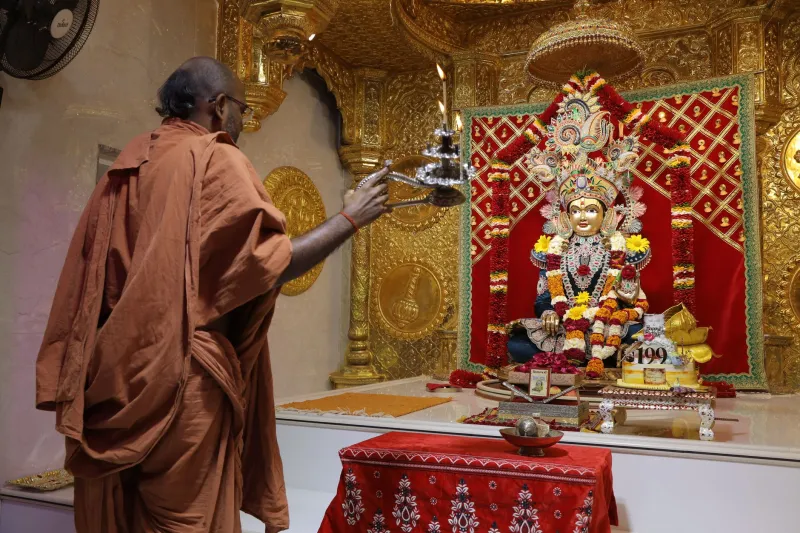
The Golden Mile is a street you experience with your senses: trays of mithai, pressure cookers stacked to the ceiling, the smell of frying puris drifting across the pavement. But walk a minute or two off Belgrave Road and the volume drops. Behind the shopfronts, in side streets and converted buildings, Leicester’s Hindu and Jain communities have built places of worship that are every bit as much a part of the Mile’s heritage as the sweet counters and textile wholesalers.
These are not visitor attractions in the theme-park sense. They are working temples and community hubs, used for daily prayer, festival preparation, language classes and the kind of quiet practical support that never makes a shop window. If you’re curious enough to step inside, the welcome is usually warm — provided you arrive with a bit of care. Think of this as a gentle primer, not a rulebook.
Start with the street, not the shrine
A good first move is simply to slow down. Hindu mandirs and Jain community spaces around Belgrave Road often sit between houses, behind modest gates, or above a community hall. They don’t always announce themselves with grand signage. Look for shoe racks by the door, a noticeboard in Gujarati and English, and the small details that say “people come here every day” rather than “open for tours”.
Check timings before you go. Many temples open early for morning puja, close in the afternoon, and reopen for evening aarti. Festival days are busy and wonderful, but they are not the moment to ask for a guided look around. If you want a calmer visit, a weekday morning outside the main prayer times is often your best bet. If you want to see the place alive, evening aarti is the obvious choice — just stand back and follow what others do.
The shoe rack is the first rule
Shoes come off before you enter the prayer hall. That’s non-negotiable, and it’s usually obvious from the racks and the tiled step at the door. Dress modestly: shoulders and knees covered, nothing too tight or beachy. In Jain spaces, some visitors choose to avoid leather as a courtesy; it’s not always required, but it is appreciated.
You’ll also see people bowing, touching the steps, or raising their hands in greeting as they enter. You don’t need to copy every gesture. A quiet, respectful manner is enough. Keep your phone on silent, take calls outside, and avoid walking in front of someone who is praying.
What you’ll actually see
Leicester’s mandirs vary in scale, but many share a familiar grammar: a shrine room with marble murtis, a bell near the entrance, a tray of lamps for aarti, and a noticeboard crowded with festival dates, yoga sessions, Gujarati classes and community announcements. The architecture may be simple or ornate — a shikhara above the shrine, carved screens, bright fabric, garlands — but the real texture is in the daily rhythm.
Morning puja is often quiet and individual. Evening aarti brings people together, with lamps, singing and a shared sense of occasion. Prasad — food that has been offered and then shared — might be handed round. If you’re offered some, accept it with your right hand or both hands, and eat it politely. You don’t have to take more than a small piece.
Photographs, prasad and small courtesies
Ask before taking photographs, especially of deities, rituals or people. Many temples are relaxed about visitors, but not all are relaxed about cameras. Never climb onto a shrine, touch a murti, or point your feet towards the deities. If you’re sitting on the floor, tuck your feet to one side.
Don’t turn your back on the shrine while someone is praying. Don’t drop litter. Don’t treat the prayer hall as a cool place to take a phone call or eat a samosa. And if you’re unsure about anything — whether to enter a particular room, whether to accept prasad, whether your clothes are appropriate — ask a volunteer at the door. People would much rather answer a quiet question than tut about a mistake later.
The half of the building you might miss
Look beyond the shrine. Many of these spaces are community centres as much as temples: halls for weddings and annakut, rooms for Gujarati school, kitchens that feed hundreds during festivals, noticeboards advertising yoga, bhajans and bereavement support. Volunteers often buy flowers, fruit and mithai from the Mile’s own shops; caterers and wholesalers on Belgrave Road supply the festivals that fill the temple calendar. That loop — temple to shopfront to kitchen and back — is part of what makes the area work.
If you’re visiting as a non-Hindu or non-Jain, you are still welcome in most of these spaces. You don’t need to pretend to be something you’re not. You do need to remember that you are a guest in someone’s place of worship, not a customer in a heritage attraction. That distinction explains almost every rule of etiquette you’ll encounter.
A short checklist
- Check opening times; avoid arriving mid-prayer if you’re just looking.
- Remove shoes before the prayer hall.
- Cover shoulders and knees; keep clothes modest.
- Silence your phone; take calls outside.
- Ask before photographing deities, rituals or people.
- Accept prasad with your right hand or both hands.
- Don’t touch murtis or walk in front of someone praying.
- Don’t turn your back on the shrine during prayer.
- Ask a volunteer if you’re unsure — it’s never a silly question.
Leave as you arrived — quietly
You don’t have to make a donation, though contributions are usually welcome and go towards the building, festivals and community work. You don’t have to stay long. A short, respectful visit is better than a long, intrusive one. Thank the volunteers if you’ve spoken to them, collect your shoes, and step back out onto the Mile.
The Golden Mile’s temples are not hidden gems to be “discovered” in a weekend. They are part of the everyday infrastructure of Belgrave Road — places where people pray, cook, teach, grieve and celebrate. Visit them with that in mind and you’ll see a side of the area that no sweet counter can quite explain.