Before the Shutters Rise: A Morning With the Wholesalers Who Stock the Golden Mile
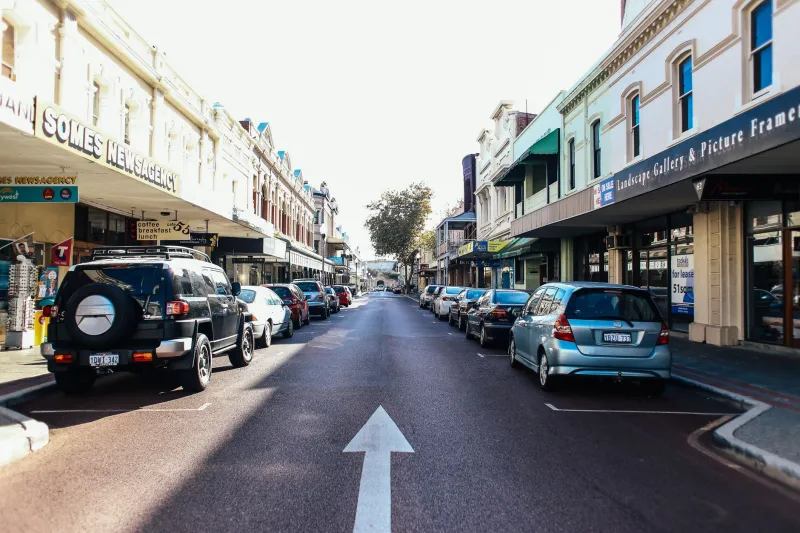
Stand on Belgrave Road at half nine on a Saturday and you'd think the whole street runs on shopkeepers. It doesn't. By that hour, the day's real work is mostly done — the deliveries have landed, the crates have been broken down, and the people who actually made the morning possible are already heading back out along Melton Road in a white Transit with a clipboard on the dash.
The Golden Mile's supply chain is one of those things nobody thinks about until a sack of atta doesn't turn up. So we went looking for it.
The five o'clock version of Belgrave Road
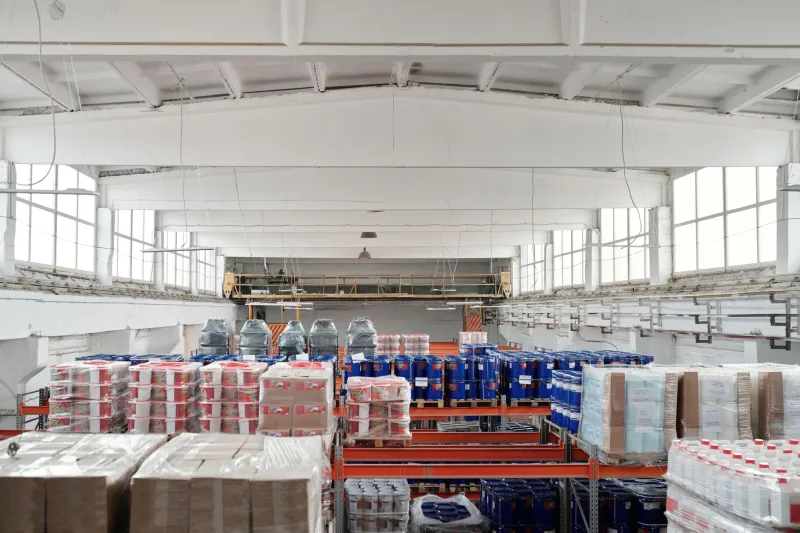
By five, the Mile is lit but empty. What's moving is the ring of units and yards around it — the industrial pockets off Melton Road, the sheds behind Rushey Mead, the little clusters of storage that sit between the residential streets and the ring road. Roller doors up, strip lights buzzing, a radio on somewhere.
"People think the shop is the business," says one wholesaler I meet, leaning against a stack of rice that's taller than he is. "The shop is the front room. This is the house."
He's been importing dry goods for the best part of two decades, mostly pulses, flours and tinned staples that get split down and sold on in smaller quantities. His customers are, almost without exception, other people on the Mile — the grocers, the sweet shops, the restaurants, the caterers who need 40 kilos of something by Thursday.
That's the bit visitors never clock. Belgrave Road looks like dozens of independent businesses. Underneath, it's one organism. Everybody buys from everybody.
Sacks, split four ways
The unit smells of coriander seed and cardboard. On one side, pallets of 20kg rice bags, still strapped. On the other, a run of shelving holding ghee tins, mustard oil, gram flour, boxes of dates, catering-size tubs of yoghurt culture.
What strikes you is how unglamorous it all is — and how much judgement is involved. A wholesaler isn't just a warehouse with a till. He's effectively guessing, weeks in advance, how much besan the Mile will get through during Diwali, how many boxes of dates will shift at Ramadan, whether the wedding season is going to be as heavy as the caterers are promising.
"You get it wrong, you're sitting on it till next year," he says, with the resignation of a man who has, at least once, been sitting on it till next year.
Some of the stock never travels far at all. Leicester still has a manufacturing instinct in its bones — the hosiery and textile trade that built the city hasn't entirely vanished, and a share of what's sold on the Mile is packed, labelled or finished within a few miles of it. The rest arrives by container, usually through Felixstowe or Southampton, and then by haulier up the M1 into a yard in LE4.
The vans that do the last mile
Between seven and nine, the final leg happens. Small vans, mostly. No livery, no branding, sometimes a driver who also owns the shop he's delivering to.
The economics are thin and everybody knows it. Margins on a sack of flour are measured in pence. What keeps it working is volume, loyalty, and the fact that a shopkeeper can ring up at short notice and get 30 kilos of onions by lunchtime. That kind of flexibility doesn't come from a national distribution centre in the Midlands; it comes from someone two streets away who knows your name and will let you pay on Friday.
You see the same logic on the sari side, just with fabric instead of food. A boutique on the Mile might take a delivery of a dozen embroidered pieces — sourced through a family connection in Surat or Jaipur, or bought from a Leicester importer who carries the stock — and hold half of it back for a customer who's been in twice already. Nothing is wasted because nothing is really in surplus. It's a supply chain built on knowing exactly who's going to want what.
Why it stays hidden
The wholesalers are, by temperament, not the types to give interviews. Several of the people I approached politely declined, and the ones who did talk mostly wanted to talk about the price of freight rather than themselves.
There's also a practical reason for the low profile. A lot of this trade happens in units that don't advertise, serving a customer base that already knows where to find them. There's no need for a nice sign when your entire market is three streets away and has your number saved.
But that invisibility has a cost. When people talk about the Golden Mile — its food, its festivals, its shopfronts — the conversation rarely stretches to the warehouses that make it all physically possible. And when policy conversations turn to high streets and how to support them, the businesses doing the unglamorous middle work tend to be left out of the room.
The last stop before the shelf
By ten, the units are quiet again. The vans have gone, the roller doors are down, and Belgrave Road is doing what Belgrave Road does — frying, weighing, wrapping, chatting.
It's worth remembering, next time you're queueing for a box of mithai or picking up a bag of chana dal, that your purchase has already had a journey. It probably started in a yard off Melton Road, at an hour when the street was dark and the only sound was a pallet truck.
The Golden Mile's shopfronts get the credit. Fair enough — they're the ones we can see. But the street runs on the people behind them, and most of them are on their way home before you've had your first chai.