Behind the Same Counters: Belgrave Road’s Longest-Serving Traders and What They Still Do Best
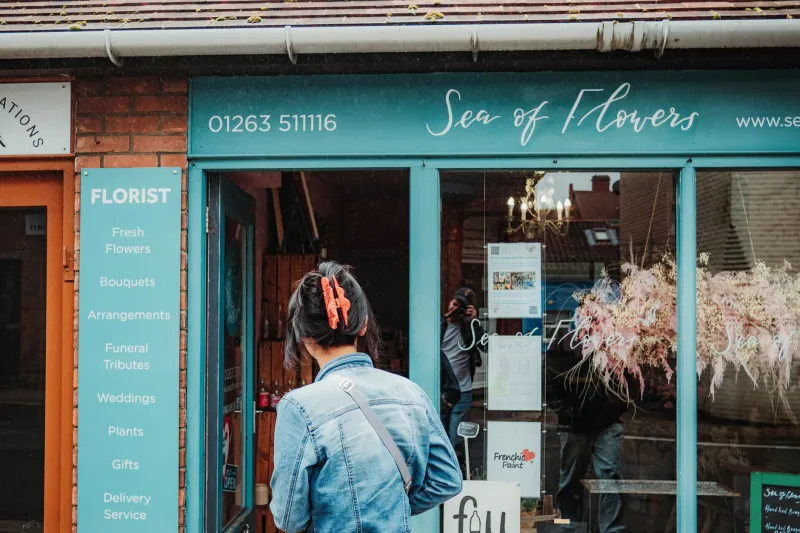
Belgrave Road is very good at the new. A fresh sweet counter, a reopened dining room, a shopfront repainted in a colour that did not exist last year — the Mile absorbs change quickly. But walk it slowly and you notice another layer: the businesses that have been there through the changes. Not as heritage exhibits, and not as nostalgia. As working shops, with regulars, routines and a stock list that has been quietly edited rather than reinvented.
These are the places that give Belgrave Road its memory. They are also some of the best places to spend your money if you want to understand the Mile rather than just photograph it.
The ones who stayed put
The longest-running names on and around Belgrave Road are not all ancient. Some date from the 1970s and 1980s, when Leicester’s Indian restaurant scene was finding its feet and the Golden Mile was still becoming the Golden Mile. Bobby’s, for instance, has been part of the city’s dining story since the early 1970s and remains the kind of place people book for a birthday, a first date or a family lunch that runs long. Sharmilee has fed generations of vegetarians. Sweet counters such as Pooja Sweets have been part of the Mile’s mithai map for decades, the sort of shop where the display is less important than the tray that comes out from the back.
What links them is not a single formula. Some are restaurants, some are grocers, some are jewellers or fabric shops. The common thread is that they have survived the shift of city-centre shopping, the rise of online groceries, the fashion for ever-brighter shopfronts and the simple fact that tastes move. Ask around and you will hear the same kind of story: a lease renewed when it could have been surrendered, a son or daughter who came in to help for a year and stayed for twenty, a recipe left alone because nobody could agree on changing it.
That is the oral history of the Mile — not a plaque, but a counter conversation.
What keeps a shop alive on Belgrave Road
Survival here is rarely about being the cheapest or the flashiest. The veterans tend to share a few practical habits. They know their regulars by order, not just by name. They stock the thing you cannot easily buy elsewhere — a particular dhal, a specific size of tray, a sweet that is made in small batches because that is how it has always been made. They open when they say they will open. And they have learned to let the shop change in small ways without letting it become somewhere else.
You can see it in the way a grocer will still weigh out spices into a paper bag, even though the same spices sit in sealed packets on the shelf. Or in the way a restaurant will keep a weekday thali simple because that is what the lunchtime regulars actually want. These are not marketing decisions. They are the small decisions that keep a business useful.
A practical route through the veterans in 2026
You do not need to turn this into a history tour. The best way to appreciate these businesses is to use them properly.
Start with a sweet counter. Buy a mixed box rather than a single piece. Ask which mithai is freshest that day, and let the person behind the counter build the box. If you are new to Indian sweets, say so; most counters are used to explaining the difference between the milk-based, the syrup-heavy and the nutty. A small box is a good introduction and a better souvenir than anything from a chain shop.
Use the grocers for the base notes. The older grocery shops on and around Belgrave Road are not just convenience stores with a wider spice rack. They are where you go for atta, dhal, tinned goods, frozen snacks and the sort of bulk buying that makes a fortnight of cooking easier. Ask for help if you cannot find something. The answer is usually a point, not a shrug.
Book the old restaurants for a weekday lunch. The Mile’s longer-standing dining rooms tend to be calmer at lunch than at the weekend, and the thalis are often the best value on the road. If you want to understand what a restaurant has been doing for decades, order the everyday dish rather than the special-occasion one.
Buy fabric and jewellery with time to spare. The Mile’s older textile and jewellery shops are not places to rush. If you are buying for a wedding or a festival, go early, ask questions and expect to come back. That is not inefficiency; it is how these shops have always worked.
How to shop with a sense of history
The easiest way to support the Mile’s longest-serving businesses is also the most obvious: spend money there, and spend it like a local. Ask what they recommend. Tell them what you are cooking. Do not treat the counter as a backdrop for a photograph without asking first. And if you find something you like, go back. Regulars keep shops alive more reliably than reviews.
There is a tendency to talk about places like Belgrave Road as if the old businesses are there to provide atmosphere for the new ones. It is the other way round. The new openings are interesting because the Mile has a long memory. The veterans are not the past tense of the Golden Mile. They are part of its present — still weighing, still frying, still opening the shutters in 2026.
So next time you walk past a shopfront that looks a little less polished than its neighbours, look again. It may be the most contemporary thing on the road: a business that has already survived several versions of the future.